
Storing clean energy for when it’s needed most
At Ventus, we see battery energy storage systems (BESS) as a cornerstone of a stable, flexible and efficient energy system. Batteries allow electricity to be delivered when it’s needed rather than only when it’s generated.
Battery storage
Storage planned in from day one
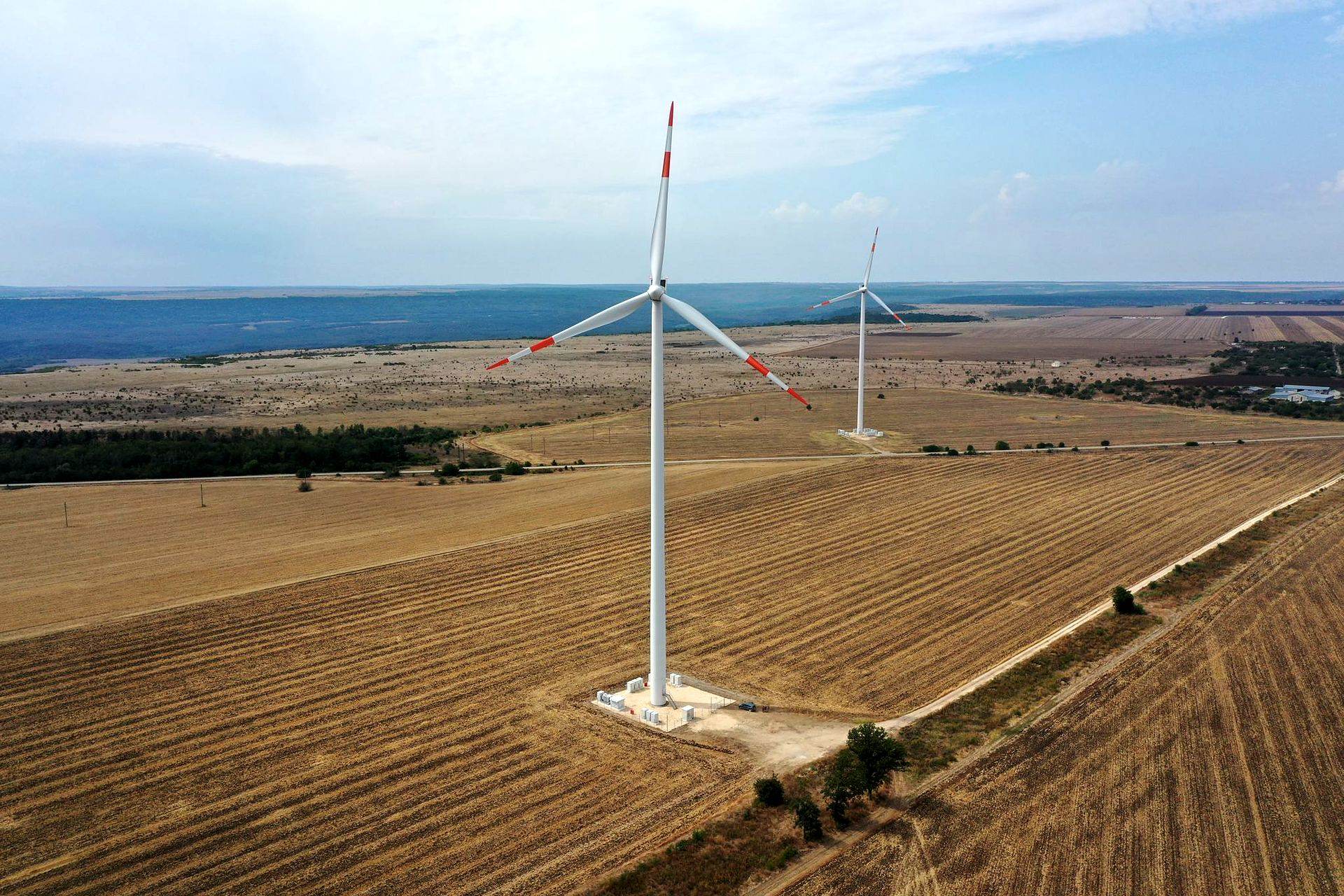
This helps renewable energy integrate smoothly into the grid and makes every project more resilient. We develop and build both stand-alone battery storage systems and hybrid systems that combine storage with wind and/or solar plants. Our own hybrid wind-and-storage sites in Bulgaria give us first-hand experience of what it takes to deliver storage projects that perform reliably and create lasting value.
Our approach is simple: we assess the potential for battery storage from the very first stage of every wind and solar project we develop. As a result, a growing share of our portfolio consists of hybrid solutions that bring generation and storage together in a single, optimised project.
For us, battery storage is not an add-on to existing technologies. It’s an integral part of a sustainable energy system and a natural extension of our portfolio. Planning storage and generation together allows us to design projects that deliver more value for our partners and for the grid as a whole.
How it works
How does battery storage work?
A battery storage system absorbs electrical energy, holds it and releases it later when it’s needed. In practice, our systems charge when the grid has plenty of electricity available and discharge when demand rises. This eases pressure on the grid and opens up additional revenue opportunities in the electricity market.
Why battery storage is essential to the energy transition
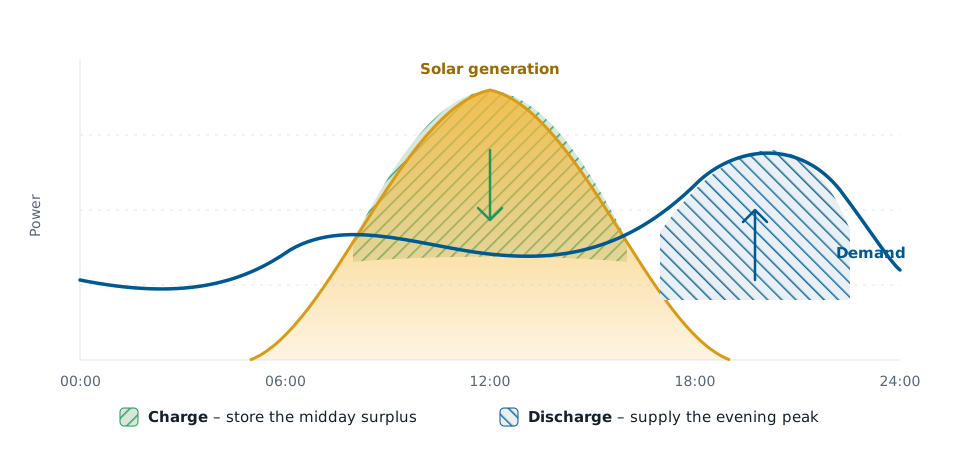
Wind and solar power depend on the weather and the time of day, so they don’t always produce electricity exactly when it’s needed. Solar is a clear example: at midday, large numbers of solar plants feed into the grid at once, while demand peaks in the evening. Batteries bridge this gap by storing the midday surplus and making it available in the evening hours.
In this way, battery storage:
- Shifts electricity delivery to the times when it’s most needed
- Responds within seconds to grid and price signals
- Reduces curtailment, so wind and solar plants no longer have to be switched off when the grid is congested
- Puts more green electricity to use, getting the most from every renewable megawatt-hour
Stability and flexibility for a renewable grid
As the share of renewable energy grows, so does the need for flexibility. Battery storage meets this need in several ways:
- It balances generation and consumption and reacts quickly to changes in the power system
- It stabilises the grid by providing essential services such as frequency and voltage control
- It requires relatively little space, so it can be integrated easily at existing substations, grid connection points or alongside renewable plants
This helps make better use of the generation capacity and grid infrastructure that already exist.
Full-service BESS development
We manage every stage of a battery storage project: site selection, land securing, grid connection, permitting, financing, construction and commissioning. Along the way, we work closely with landowners, municipalities, grid operators and leading battery manufacturers to make sure each system is designed for safety, performance and long-term value.
Stand-alone
Stand-alone battery storage
Large-scale batteries connected at strategic points in the grid play an increasingly important role in modern power systems. They absorb surplus electricity when generation is high and feed it back when supply is short, while also supporting network operators with grid services. This makes stand-alone BESS a valuable asset for security of supply, and an attractive investment with several revenue streams.
Hybrid
Hybrid projects: wind, solar and storage in one
Wind and solar complement each other naturally: the sun is strongest on summer days, while wind is often stronger at night and in winter. Combining them at one site creates a steadier, more predictable supply of clean energy. Adding battery storage completes the picture, allowing power to be delivered exactly when it’s needed and making the output smoother and more reliable.
Advantages
The advantages of battery storage

Grid stability
Balances supply and demand, allowing more renewable energy onto the grid.

Steady supply of green power
Smooths out the natural fluctuations of wind and solar.

Less curtailment
More of the clean energy produced actually reaches consumers.

Better use of grid capacity
Existing connections and infrastructure work harder.

Additional revenue streams
Income from energy trading and grid services strengthens project economics.

Lower operating costs
Shared maintenance, monitoring and on-site power supply across combined plants.
Get in touch
Have a suitable site or an existing renewable plant?
Whether you own land near a grid connection point or operate a wind or solar farm that could benefit from storage, we’d be happy to explore the opportunities with you.