
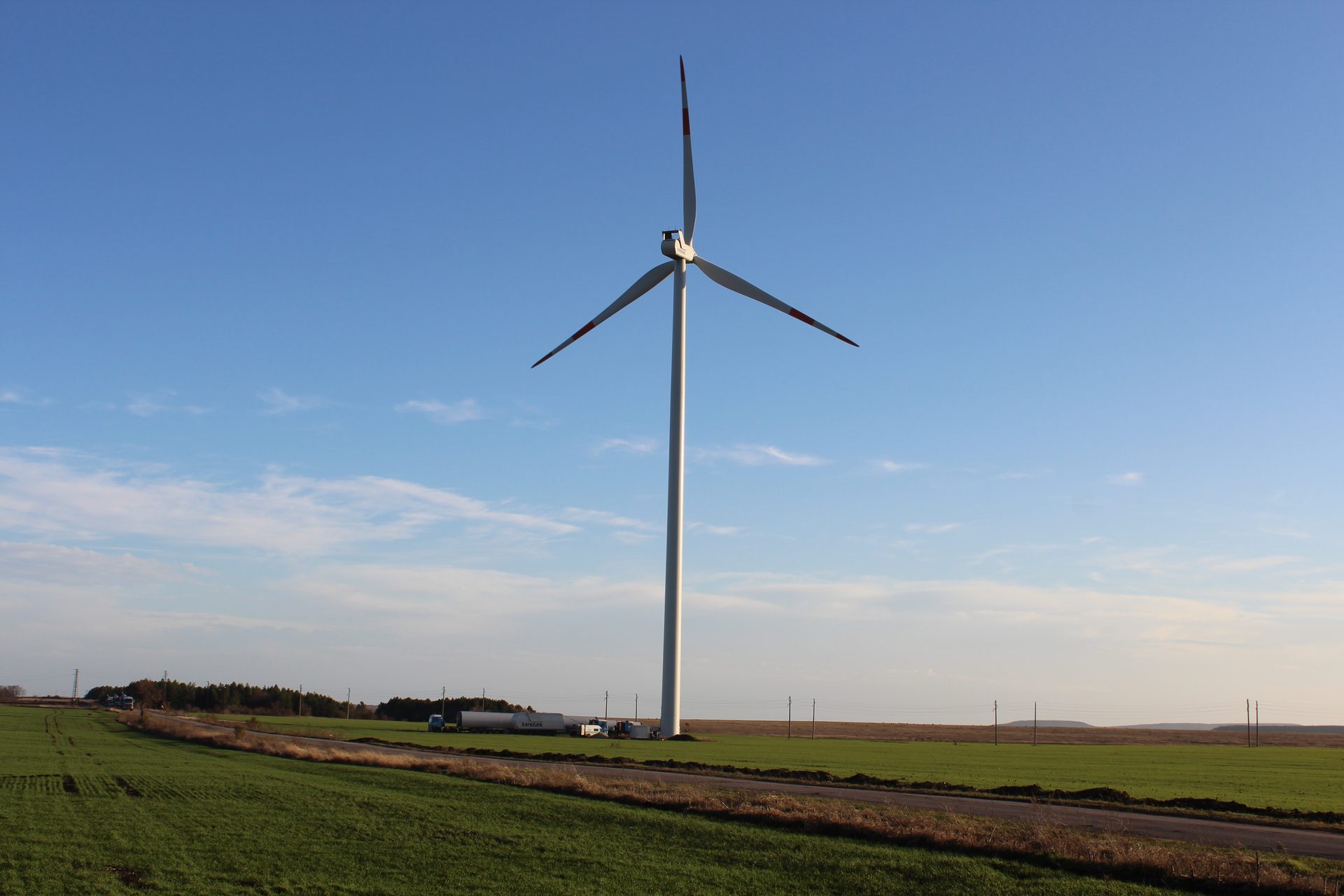
From the first site study to a fully operating wind farm
Developing a successful wind farm takes careful planning, technical precision and close cooperation with everyone involved.
Our process
13 steps from map analysis to clean energy
Our senior core team, working with a trusted network of specialists in planning, engineering, environmental assessment and finance, guides each project through every stage, from the first map analysis to the moment the turbines start producing clean energy.
Site identification
Every successful project starts with the right location. Using geographic information system (GIS) tools, we screen wide areas for strong wind resources and filter out residential areas, protected nature zones and their buffer distances. The result is a precise shortlist of the most promising areas.
On-site assessment
Our team visits each shortlisted site in person, using GPS equipment and specialised software to check terrain, access and local conditions. Preliminary noise and shadow flicker studies at this stage mean the effect on nearby residents is considered from day one.
Land securing and lease agreements
We build long-term partnerships with landowners, whether private owners, farmers, municipalities or public bodies. Each lease agreement is tailored to the site and the owners’ needs. Where a wind farm spans several properties, pooling models share lease income fairly among all participating landowners.
Wind measurement and yield assessment
Reliable wind data is the foundation of a bankable project. We measure wind speed and direction at different heights with met masts or LiDAR, usually for at least a full year, and add existing data from the surrounding area. Independent experts then prepare yield assessments that give investors and lenders full confidence in the expected output.
Environmental and impact studies
Qualified experts study the landscape, flora and fauna, with particular attention to birds and bats, observing the site across at least one full season. Accredited specialists prepare noise and shadow flicker reports to make sure every project fully meets the applicable limits, and their findings shape the project design.
Turbine selection
As a manufacturer-independent developer, we are free to choose the best turbine for every site. We weigh long-term reliability, investment and operating costs, power curve, availability and noise performance against the site’s wind conditions. Our strong relationships with leading manufacturers help us secure the right technology on competitive terms.
Wind farm layout
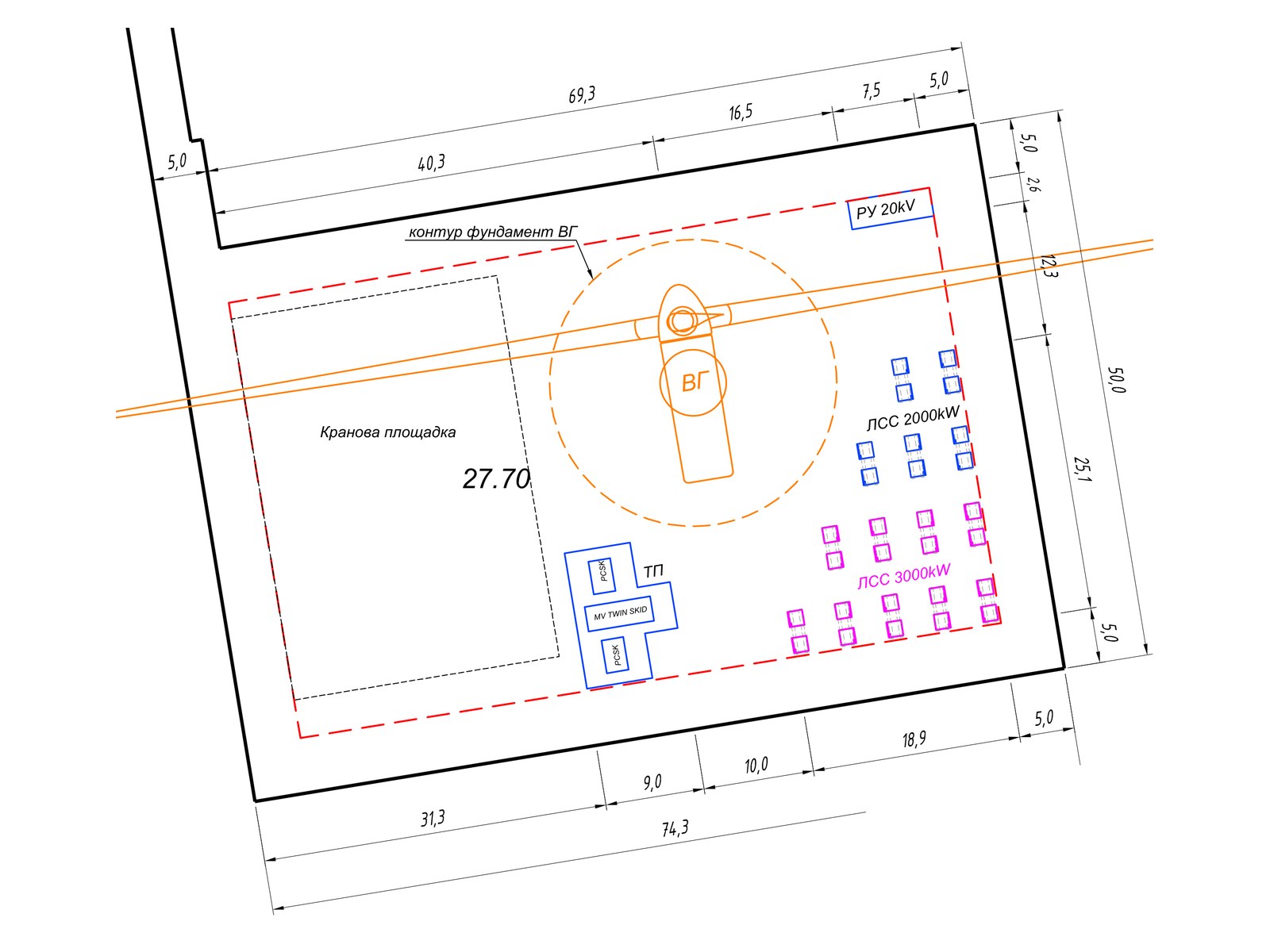
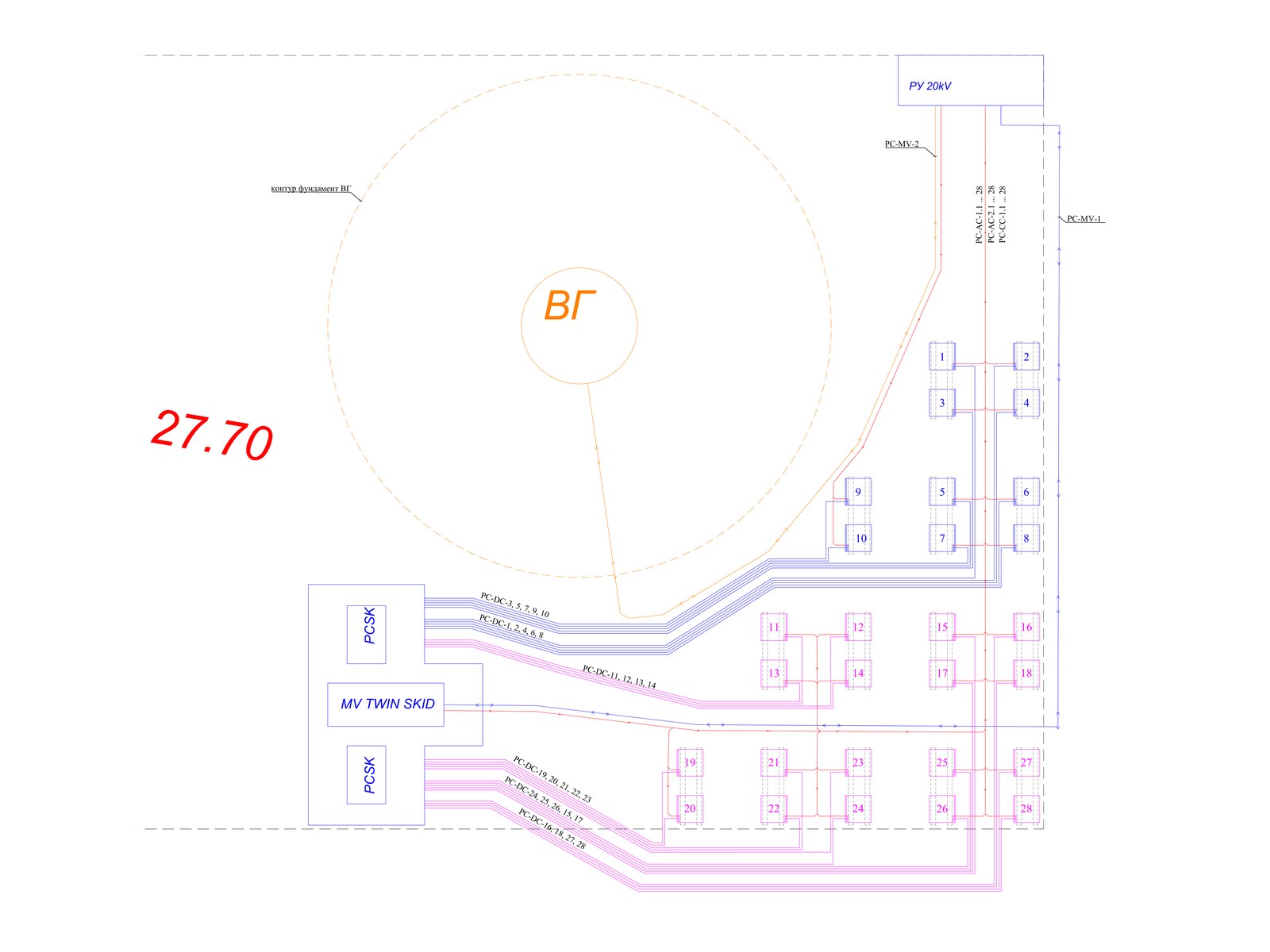
Our layout balances two goals: maximum energy yield and minimal impact on residents and ecosystems. Turbine positions, access roads and crane areas are carefully optimised, making the best possible use of existing infrastructure.
Partnership with municipalities and communities
We work closely with municipalities and regional authorities throughout land use planning. Development agreements can include compensation and nature conservation measures that benefit the local area. Through information events, project visualisations and regular updates, we make sure local residents understand what is planned and what it means for them.
Permitting
Once all studies, assessments and consultations are complete, we compile a comprehensive permit application, including site plans, the turbine manufacturer’s technical documentation and all expert reports. Thorough preparation and close dialogue with the authorities help ensure a smooth approval process.
Project financing
Solid financing is key to every project’s success. We work with national and international banks to put each wind farm on a secure economic footing, preparing detailed cost analyses, profitability models and liquidity planning. Where available, we also use public funding and support programmes.
Grid connection
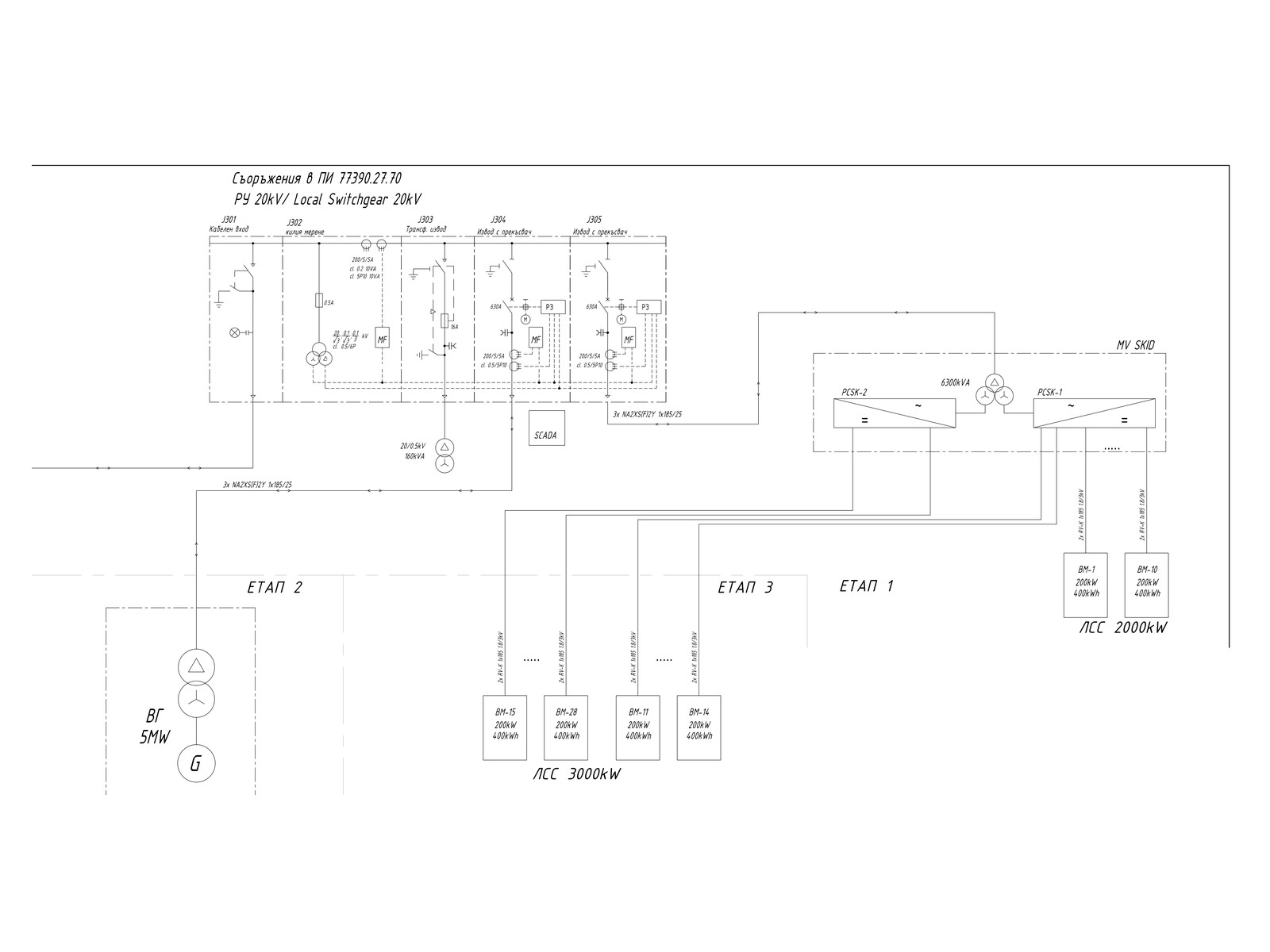
Together with our electrical engineering partners, we identify the most cost-effective grid connection point for each wind farm. As grid capacity becomes increasingly valuable across Europe, early and expert grid planning is a real competitive advantage. Where needed, we design and build substations to feed in at higher voltage levels.
Construction and commissioning
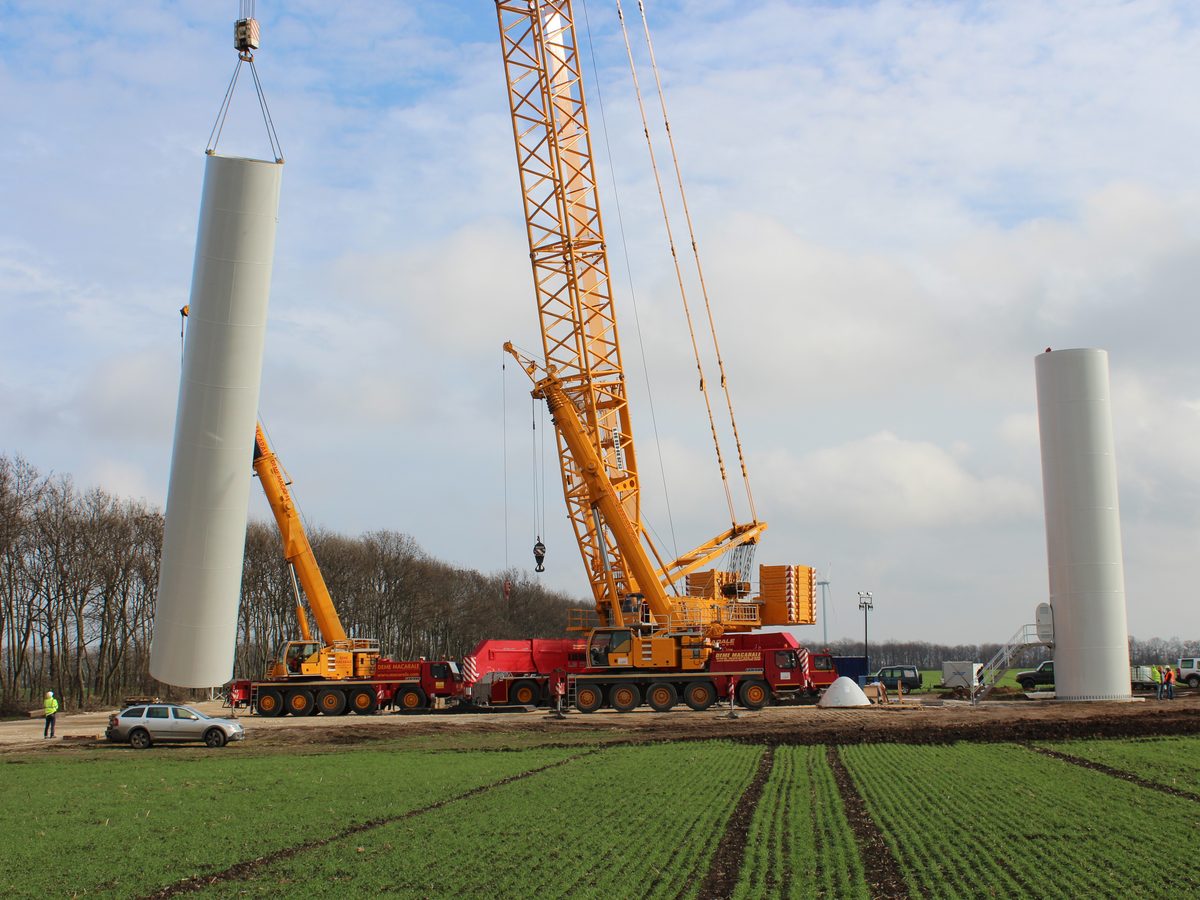
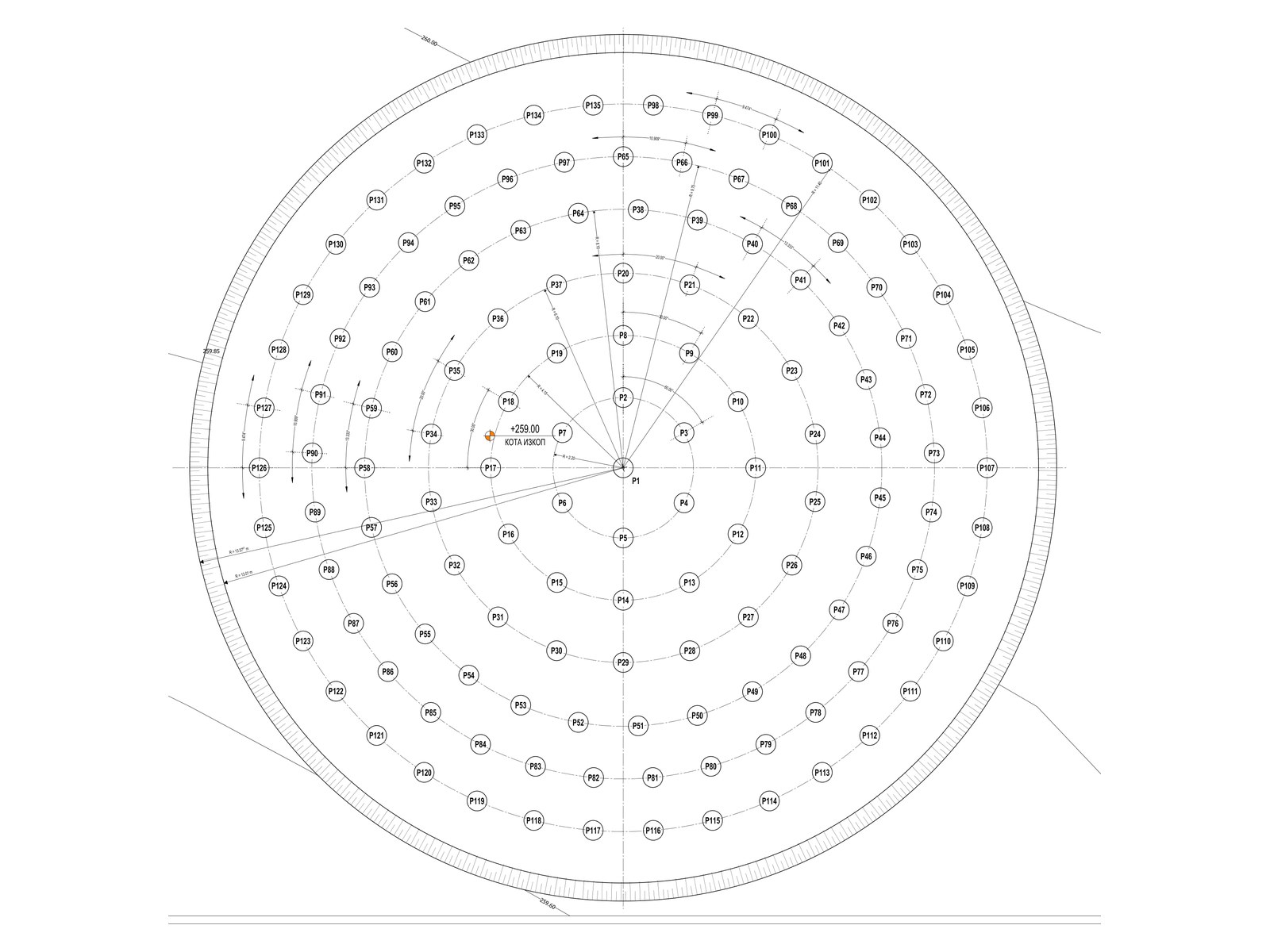
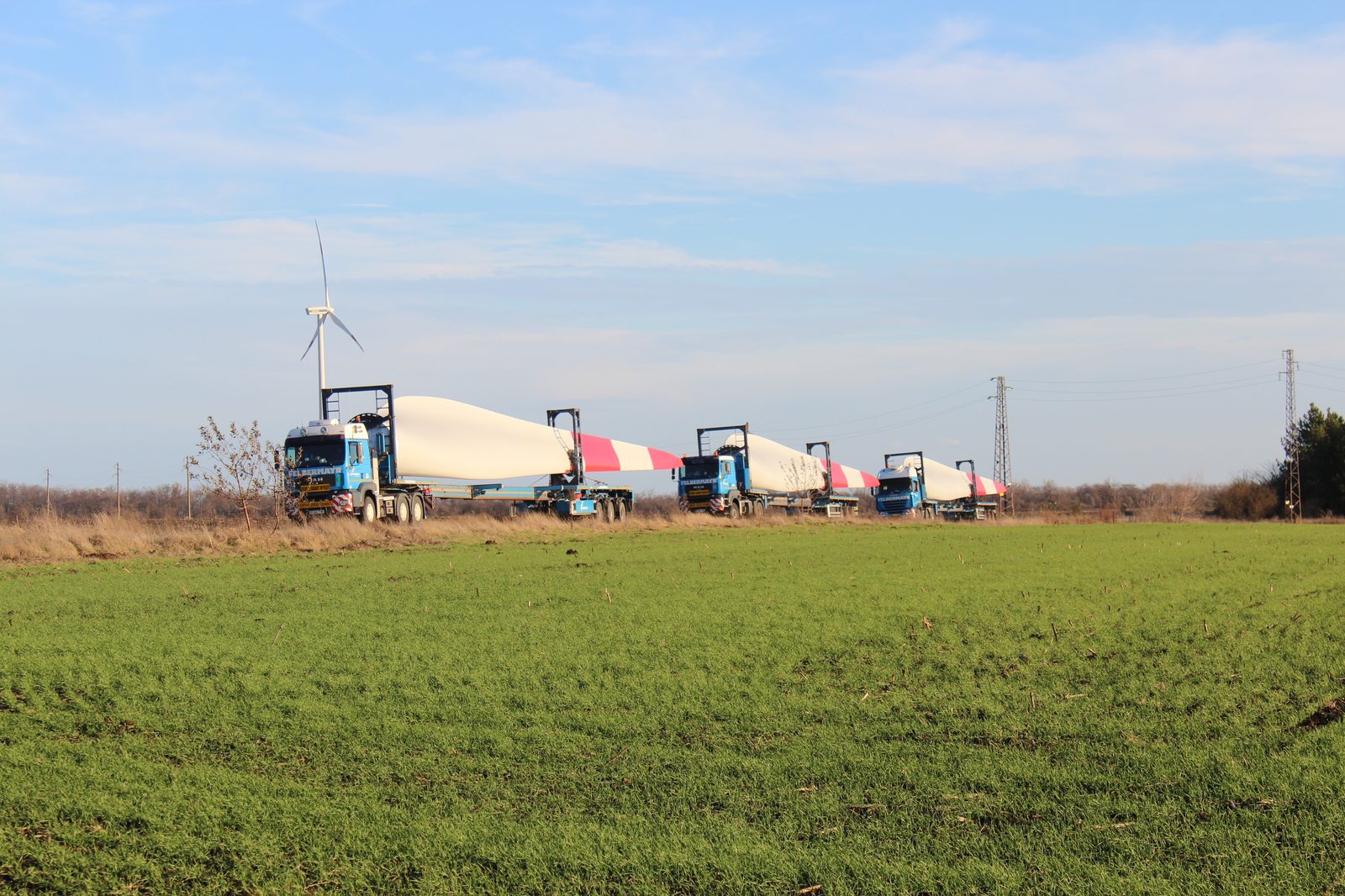
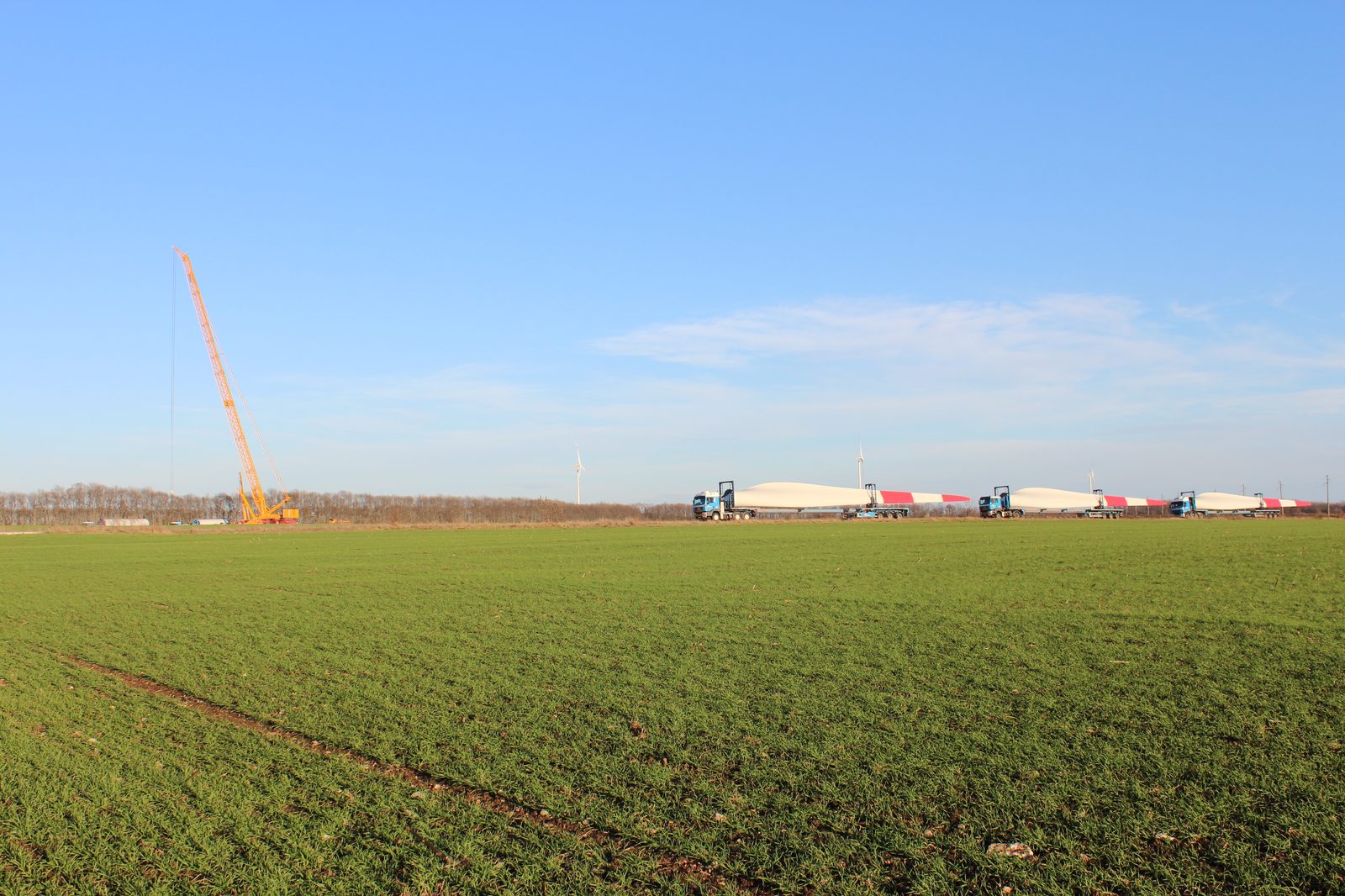
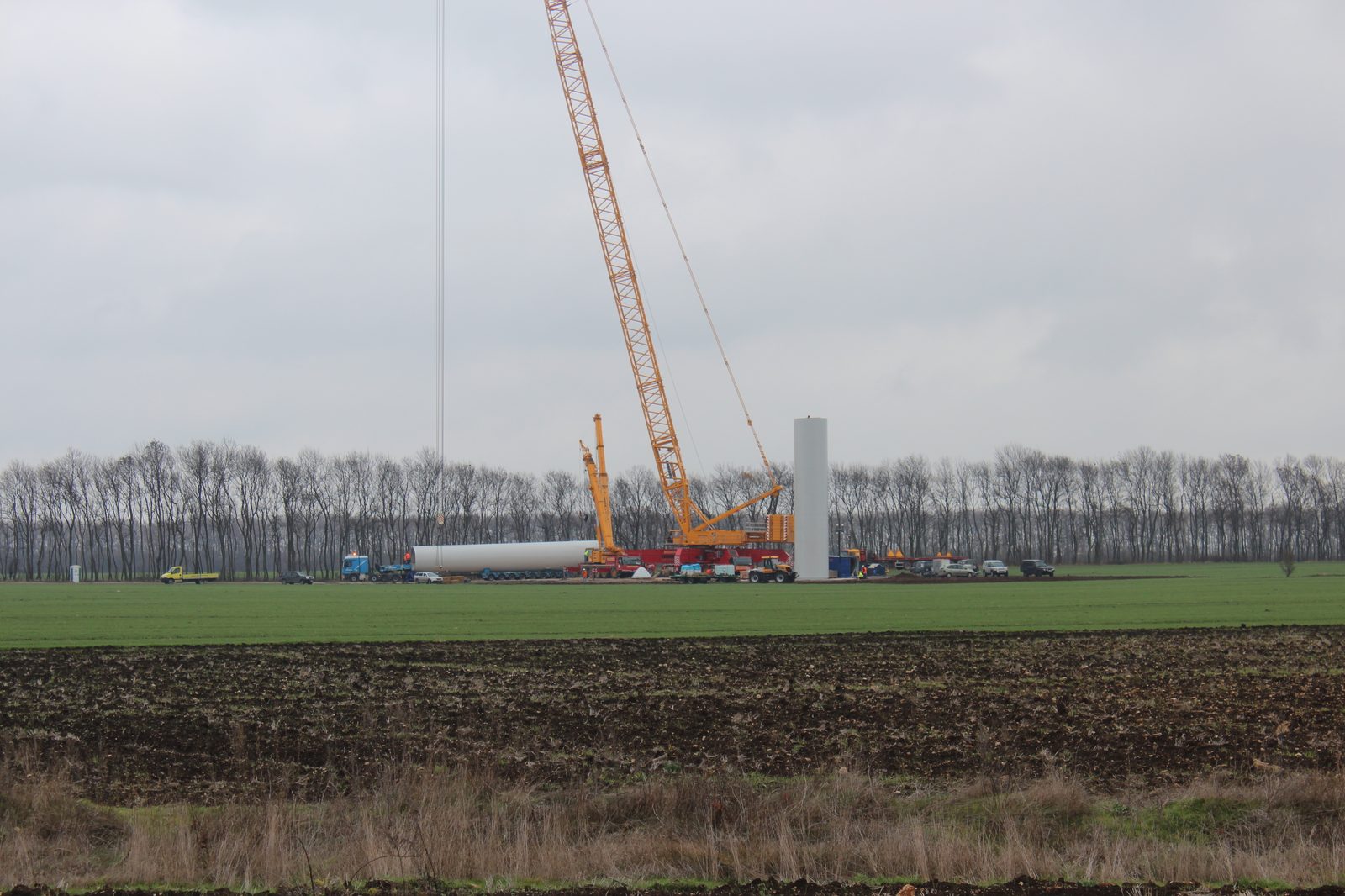
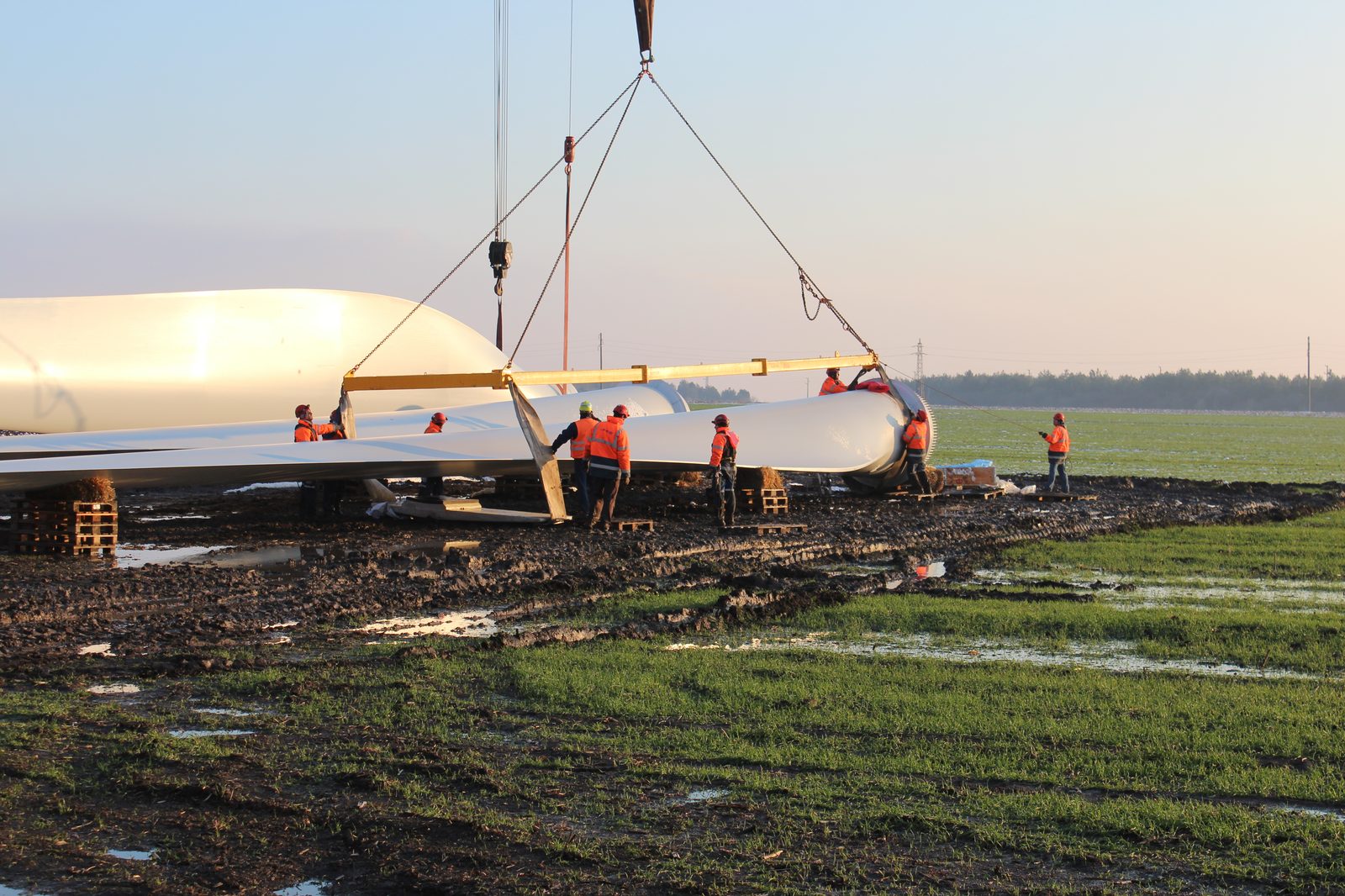
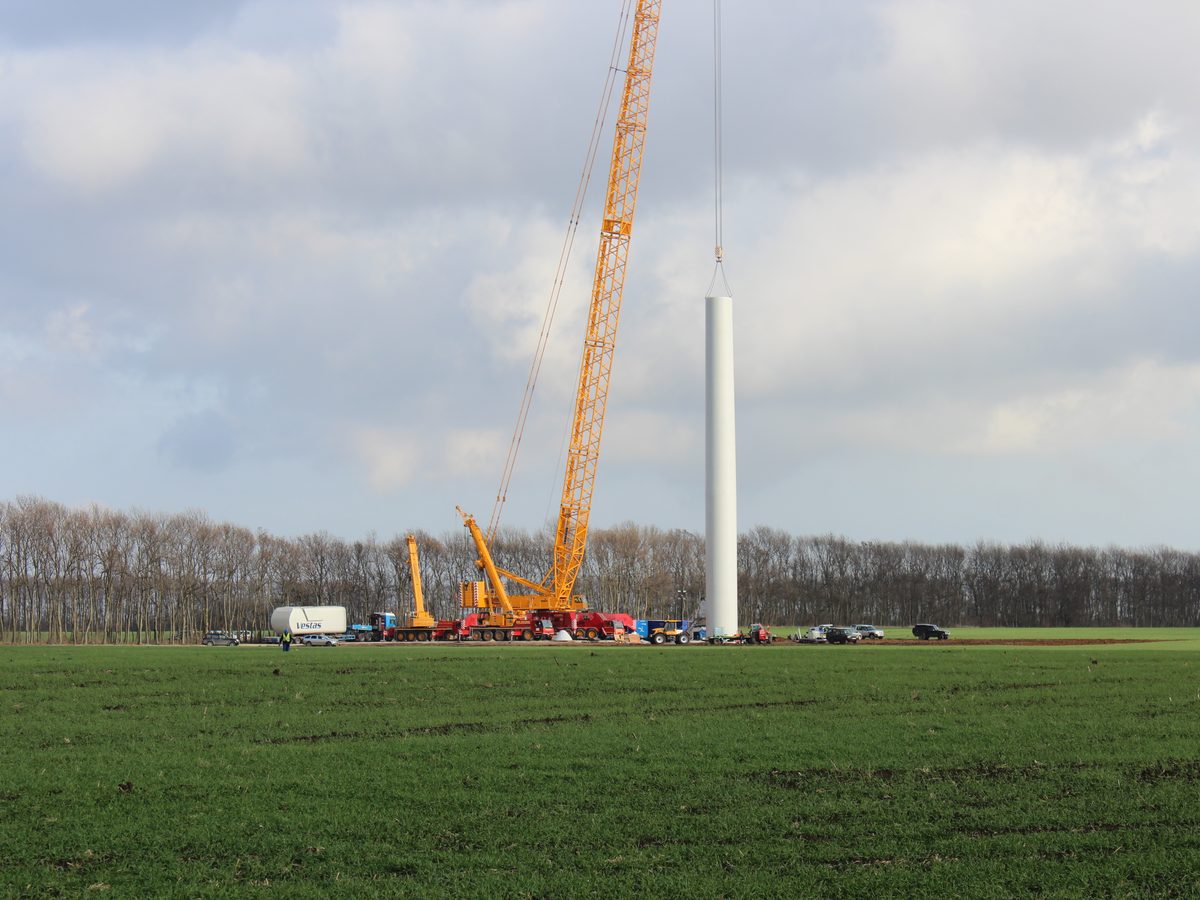
Construction begins with access roads, crane pads and cable routes, where narrow roads, challenging terrain, rivers or railway crossings call for practical engineering solutions. From the start of construction to commissioning usually takes around twelve months. Our team is on site throughout to keep schedules, quality and budgets on track, coordinating turbine deliveries with transport companies, authorities, landowners and farmers. Wherever possible, we work with local and regional suppliers.
Compensation measures
We are committed to leaving every site in better ecological condition. Where land is used for foundations, crane pads or access roads, or where trees must be cleared, we carry out targeted compensation measures: replanting, climate-resilient forest conversion, orchards, restored habitats and nesting sites for bats and other protected species.
Repowering
Ready for the next generation of turbines
Many wind farms reach the end of their original operating life after around 20 years. Through repowering, older turbines are replaced with fewer, more powerful modern ones, often multiplying energy output from the same site.
Get in touch
Do you have land with wind potential?
We’ll be happy to assess the opportunities together with you.