
Independent advice for better power purchase agreements
How the electricity from a wind farm, solar plant or battery storage system is sold is one of the most important factors in its long-term success.
In practice
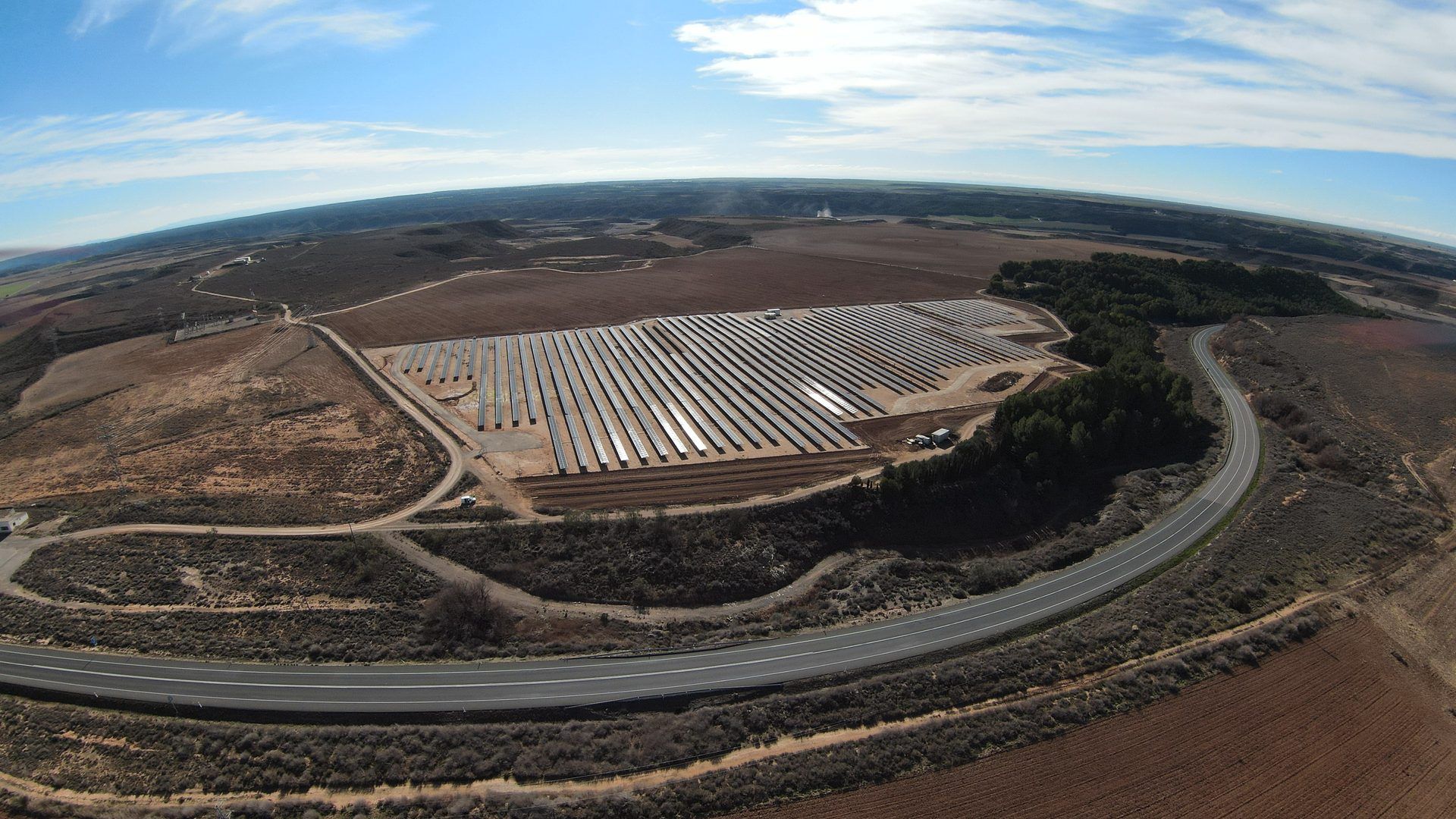
The electricity from our own wind and solar plants in Bulgaria and Spain is marketed through an established energy trader. We know from our own experience as a plant owner what makes an offtake arrangement work.
Power purchase agreements (PPAs) are the main tool for this, and getting the structure right takes in-depth market knowledge. Ventus provides independent PPA advisory services. We do not sell electricity or act as a PPA counterparty ourselves; we advise the parties who do.
Who we advise
Who we advise

Renewable energy projects and plant owners
Preparing a wind, solar or storage project for a PPA and assessing the offers received.

PPA providers
Supporting energy traders, utilities and other third-party PPA providers in evaluating renewable projects and their generation profiles.
The basics
What is a PPA?
A PPA is a contract between a renewable energy producer and an electricity buyer, such as a utility, energy trader or large corporate consumer. It sets the price, volume and duration of electricity delivery. Contracts can run from a few years to more than a decade, depending on the needs of both parties.
The benefits of a PPA
- Stable, predictable revenues: a fixed or structured price protects income from swings in wholesale electricity prices.
- Stronger bankability: secure long-term revenues make projects more attractive to banks and investors and can improve financing terms.
- Subsidy-free growth: PPAs allow renewable projects to be built and operated profitably without state support.
- Long-term planning security: both seller and buyer know their costs and income for years ahead.
- Green credentials for buyers: corporate buyers can source verifiable renewable electricity and meet their sustainability goals.
Structures
Common PPA models
Every project has its own generation profile and risk appetite, so there is no single right PPA structure. Common models include:

Pay-as-produced
The buyer purchases all electricity generated, whenever it’s produced.

Baseload and shaped profiles
Delivery follows a fixed schedule, often made possible by combining generation with battery storage.

Physical PPAs
Electricity is delivered to the buyer through the grid.

Financial (virtual) PPAs
Power is sold on the market, and a financial agreement secures the agreed price.
Our advice
Our advisory services
Evaluating a PPA means analysing market conditions, understanding price volatility and assessing risk carefully over the full contract term. Our advice covers:
This support is particularly valuable for smaller projects, which often lack in-house market expertise but still need well-structured agreements to secure financing.
Market experience
Built on our own market experience
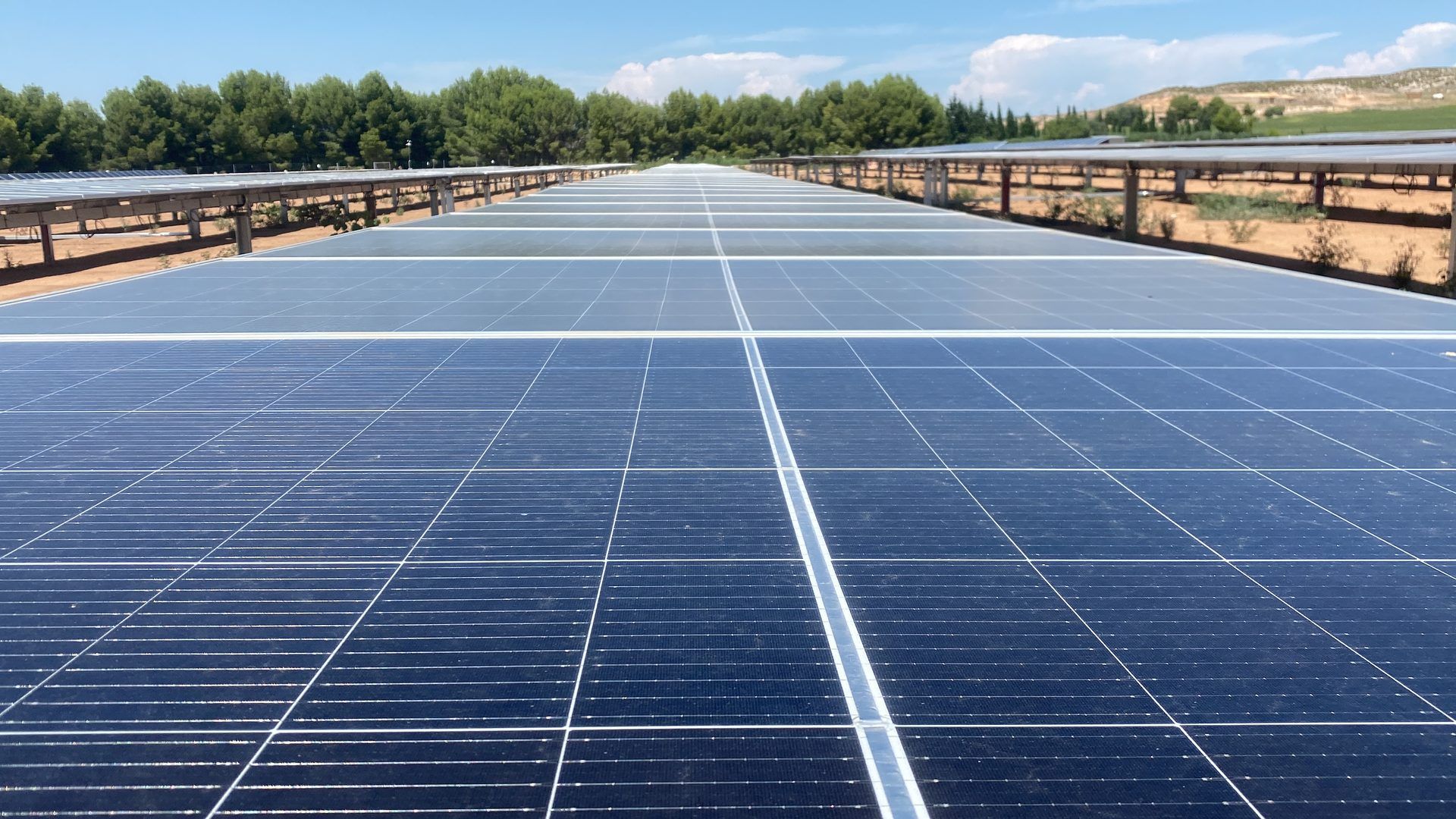
Our advice draws on our own experience as a plant owner and developer of wind, solar and storage projects in Bulgaria and Spain. We understand how these markets work in practice, and we bring that knowledge to every project we advise.
Battery storage adds an extra advantage: by shifting delivery to the hours when electricity is most valuable, storage makes firmer, more attractive supply profiles possible.
Get in touch
Need independent advice on a PPA?
Whether you own a project or provide PPAs, we’d be happy to discuss how we can support you.